
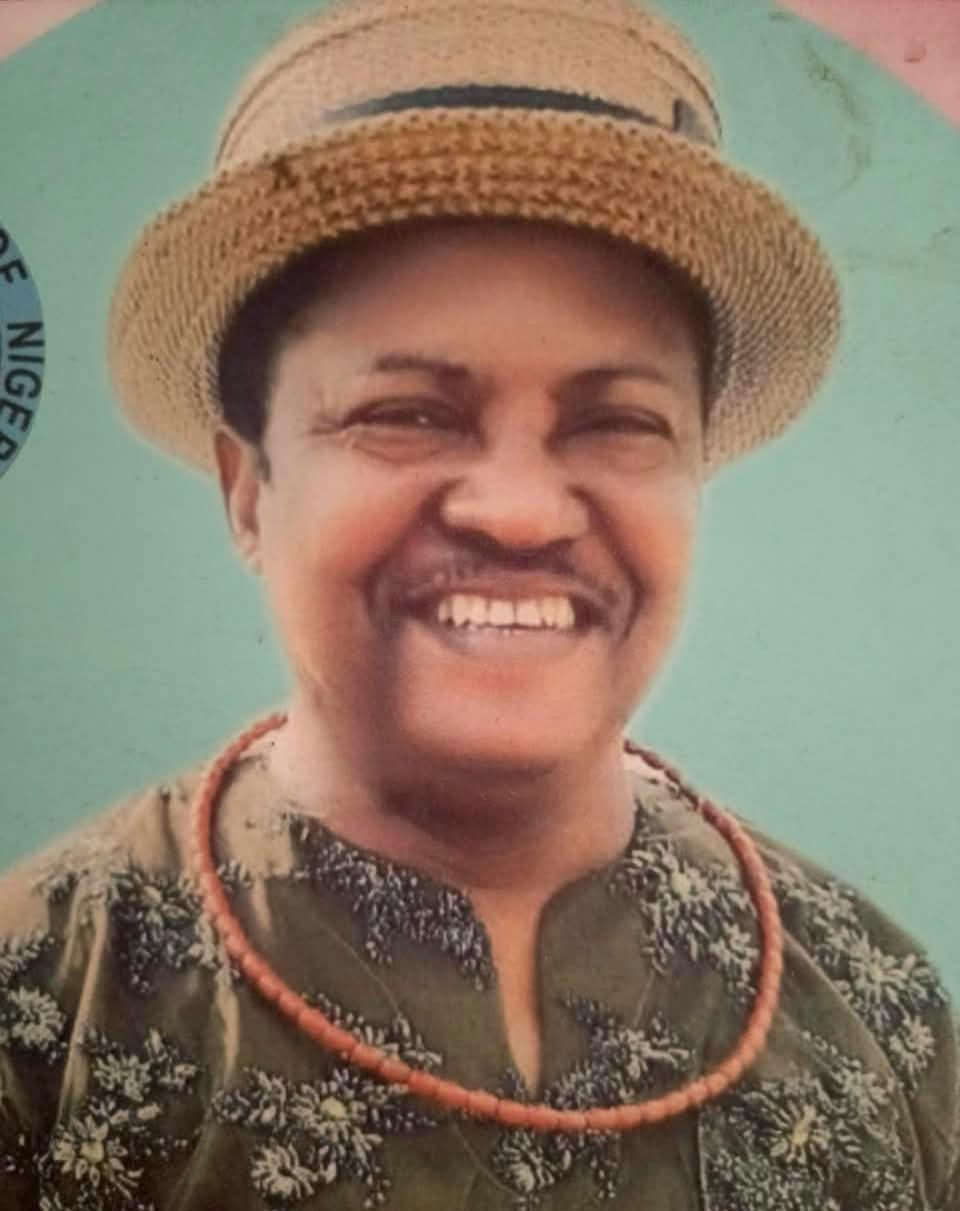
By Peter’s Akiakeme
It is a common saying among our people that when an Isoko person finds himself or herself in a position to assist a fellow Isoko person, he or she sometimes stops speaking Isoko, refuses to answer phone calls, and pretends not to recognise old friends and acquaintances.

Sadly, this perception is becoming a painful reality in some quarters.
As members of the Association of Isoko Chiefs and the Isoko Development Union (IDU), we have received several appeals to reach out to our sons and daughters who, by the grace of God, have been blessed and elevated to positions of influence and authority.
We are appealing to them to help change this narrative and to support our people, especially our youths, in whatever capacity they can.
We must learn from other ethnic groups and communities that have deliberately built a culture of supporting one another.
The Itsekiri people, for example, despite their relatively small population, have demonstrated remarkable unity and willingness to support and promote their own people.
Their example should challenge us to ask ourselves: What are we doing collectively to advance Isoko people?
The Isoko people are a major ethnic group in Delta State and should have a stronger voice and greater representation in governance, politics, commerce, industry and other sectors of the Nigerian economy.
Despite the enormous volume of crude oil produced from Isoko land over the years, our people continue to feel marginalised in many areas of national development.
When we look at major institutions and industries, we often ask ourselves: Where are the Isoko people in the sharing formula?
Where are our sons and daughters in strategic positions within government agencies, the oil and gas industry, banking, commerce and other major sectors of the economy?
This is not a call for discrimination against other Nigerians. Rather, it is a call for our people to recognise the importance of supporting one another and creating opportunities for our own sons and daughters, just as other communities do.
I remember when I served as the Organising Secretary of Isoko Indigenes in Chevron Oil Company, one of the challenges I encountered whenever I sought assistance for our members was the question: “What have Isoko people done for me?”
My response was always simple:
“If a community cooks food for only one person, that person cannot finish it. But if one person cooks for the entire community, the food may not be enough to satisfy everyone.”
This is the spirit we must embrace. Whatever position God gives us should not be seen only as an opportunity for personal benefit.
It should also be an opportunity to lift others, especially those who have little or no access to such opportunities.
It is truly disheartening to see parents make enormous sacrifices to educate their children through university, only for those graduates to remain unemployed for years.
What is even more painful is when companies operating within or around our communities employ people from outside while our qualified sons and daughters struggle to find opportunities.
We must therefore begin to ask serious questions about opportunities available in companies such as Heritage Oil, Oando, and other organisations operating in our environment, as well as government ministries, departments and agencies.
Our qualified youths should not be forgotten.
We need to build a stronger network of Isoko professionals, business people, politicians, traditional rulers, civil servants and other influential individuals who can identify opportunities and deliberately help qualified Isoko youths access them.
Let us unite.
Let us support one another.
Let us create opportunities for our youths.
Let us promote our people without hatred or hostility towards others.
We may have different political affiliations, religious beliefs, personal interests and opinions on national issues. We may disagree on politics and other matters, but our differences should never make us forget our identity and responsibility to one another as Isoko people.
The future of our children depends on what we do today. If we continue to work individually without a deliberate culture of collective support, we may continue to watch other communities advance while our own people remain behind.
I therefore appeal to our traditional rulers, political leaders, businessmen and women, professionals, government officials and every Isoko person in a position of influence: Please remember your people.
Open doors for others. Give someone an opportunity. Recommend qualified youths. Support those who are struggling.
If each person in a position of influence helps only a few young people, the collective impact will be enormous.
Let us change the narrative. Let us build one another. Let us build Isoko.
May God bless you all and bless Isoko land.
Elder, High Chief, Akiakeme Peters Arerie
Chairman, Association of Aviara Clan Chiefs